
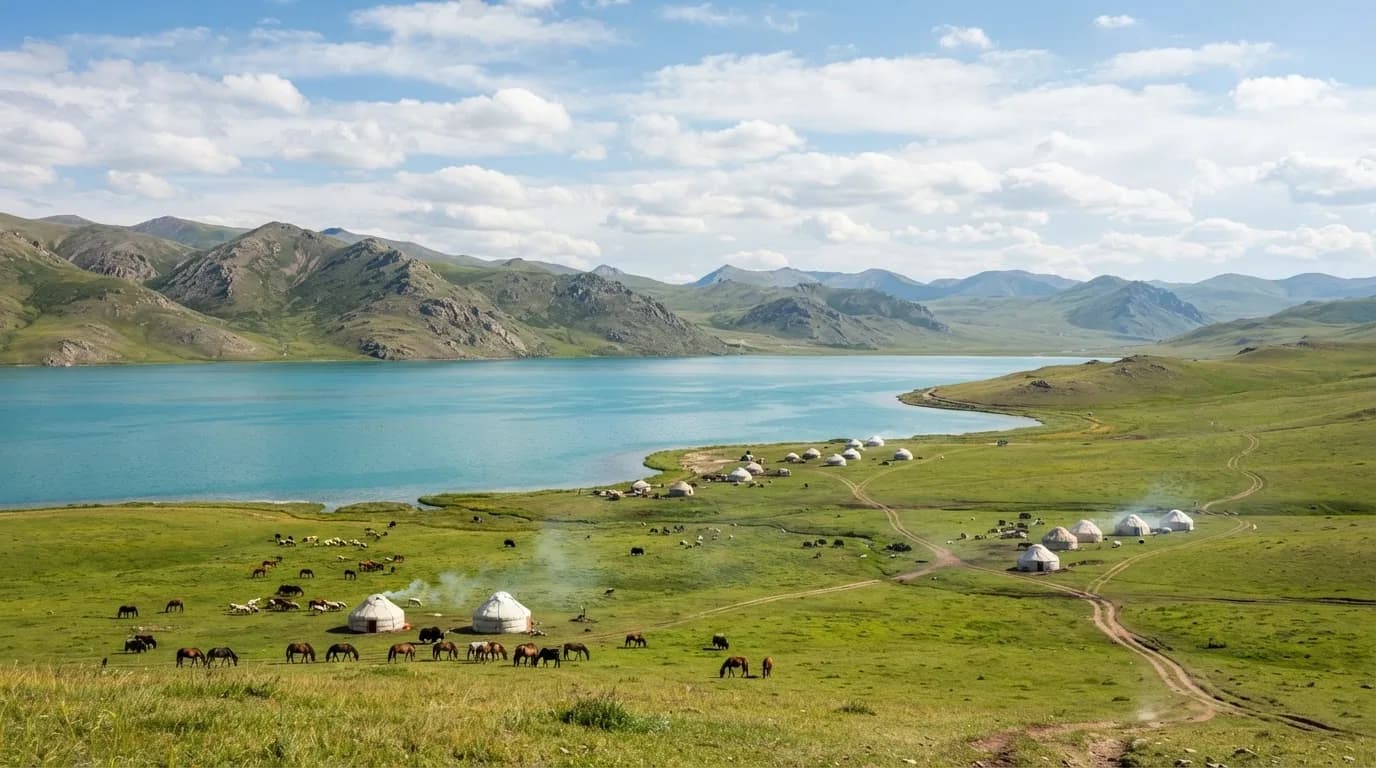
Arrive at camp
Meet the riders and see the camp come alive amidst raw wilderness.
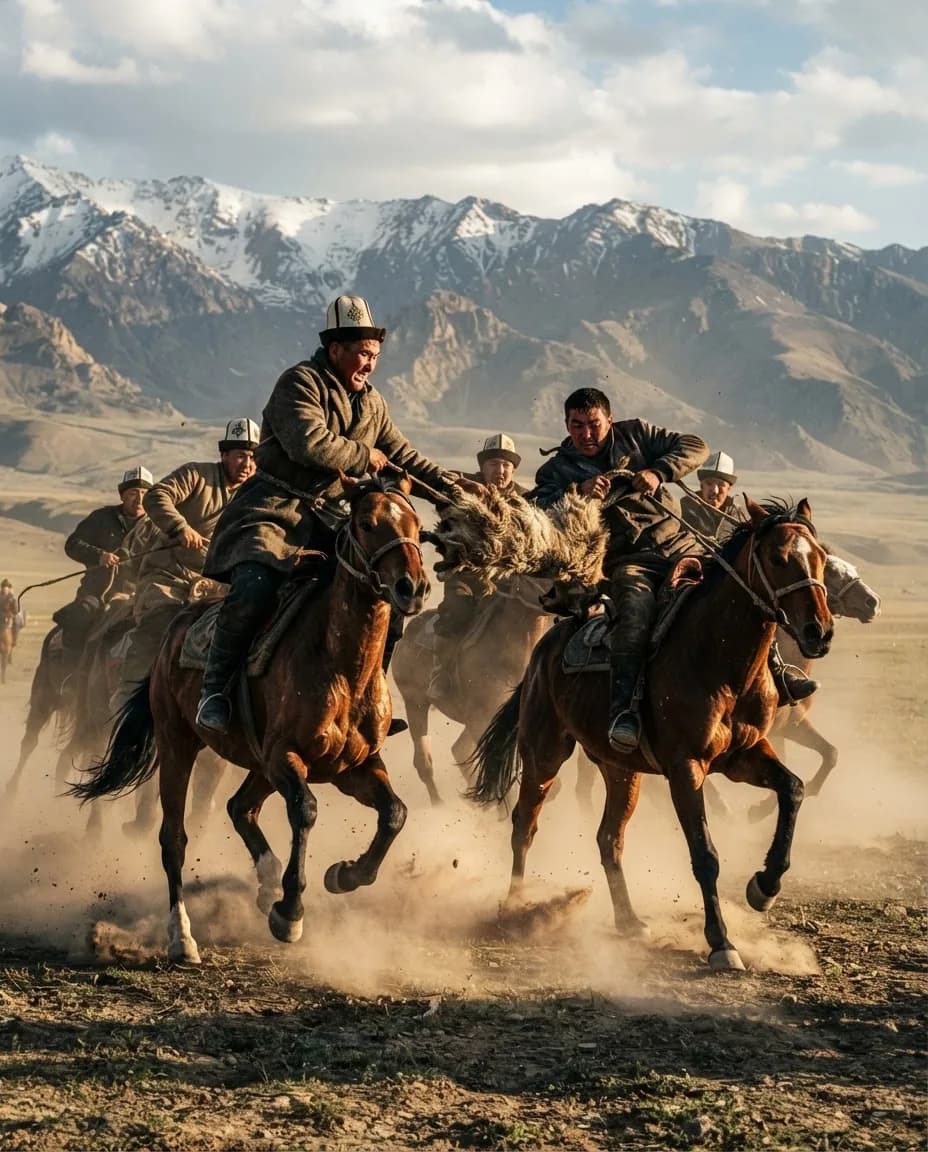
Kyrgyz tradition
Kok-Boru is more than a game. It is horsemanship, nerve and community, played out at full speed on open ground — and you watch it from the edge of the field, not a screen.
Horses · Teamwork · Tradition · Adrenaline
The game
Kok-Boru is a traditional Central Asian horseback game in which two teams compete for control of a heavy game object and aim to score in the opposing goal.
In Kyrgyzstan, it is closely tied to horsemanship, community gatherings and generations of riding culture.
Riders work together at speed, strategizing to shield the carrier and create scoring opportunities.
Extreme physical control, balance, and absolute trust between horse and rider are essential.
Passed down through generations, the game represents the ancient spirit of nomadic survival.
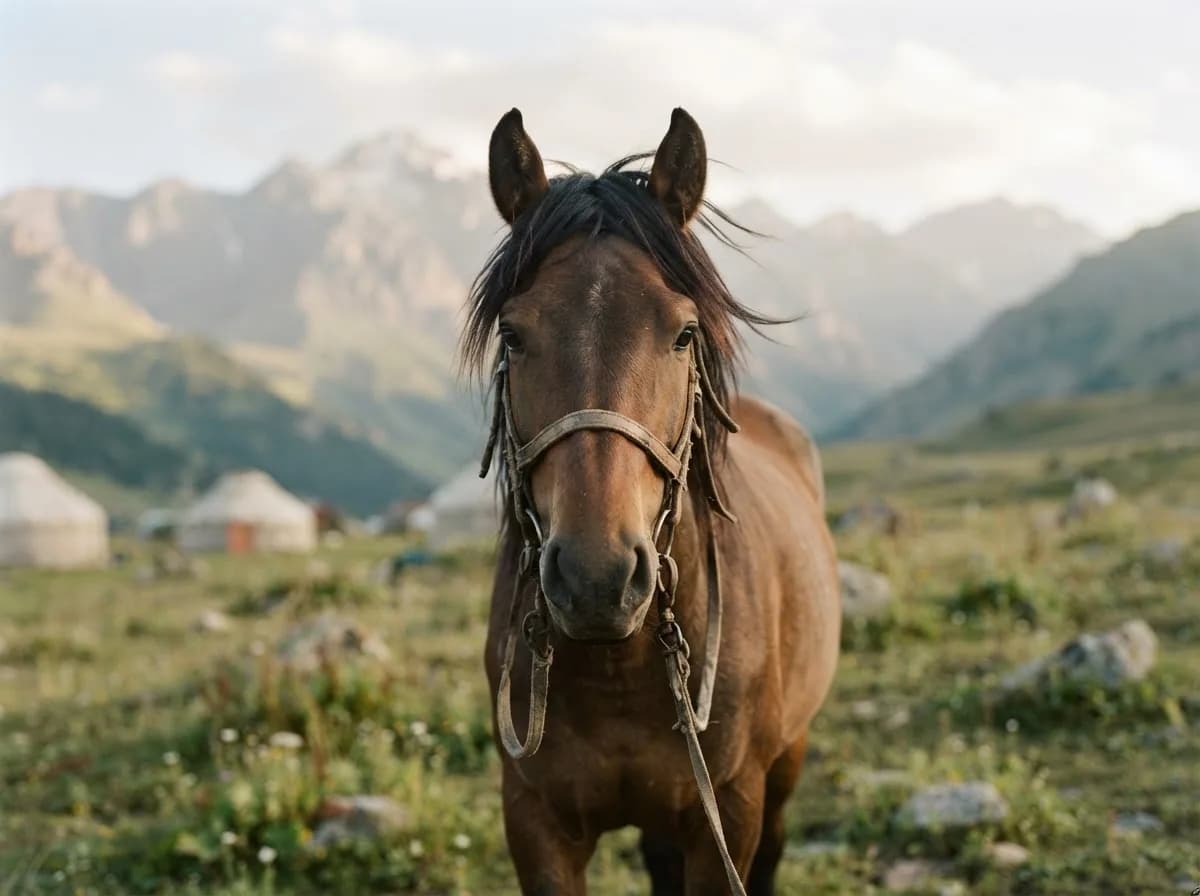
The experience
Meet the riders and see the camp come alive amidst raw wilderness.
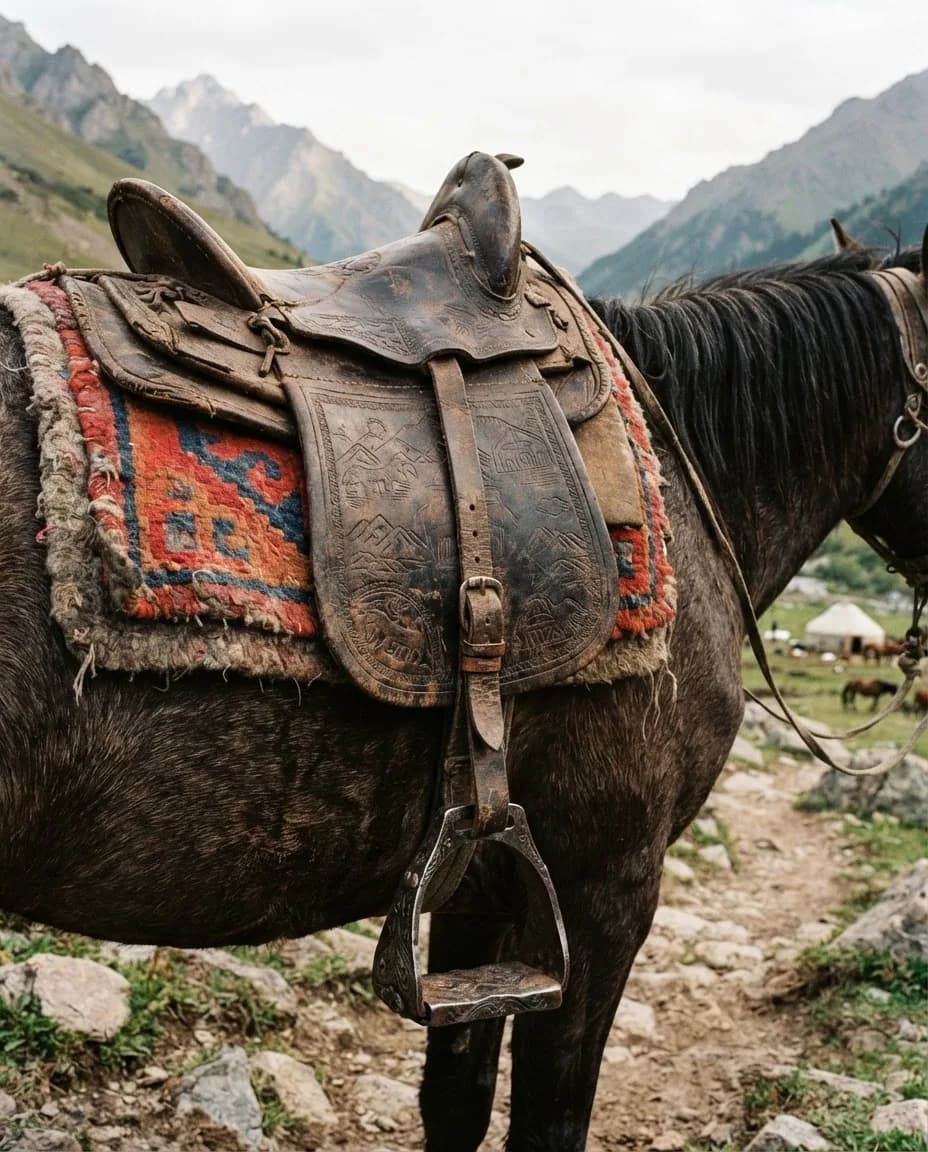
Watch the deliberate rituals and saddling before play.
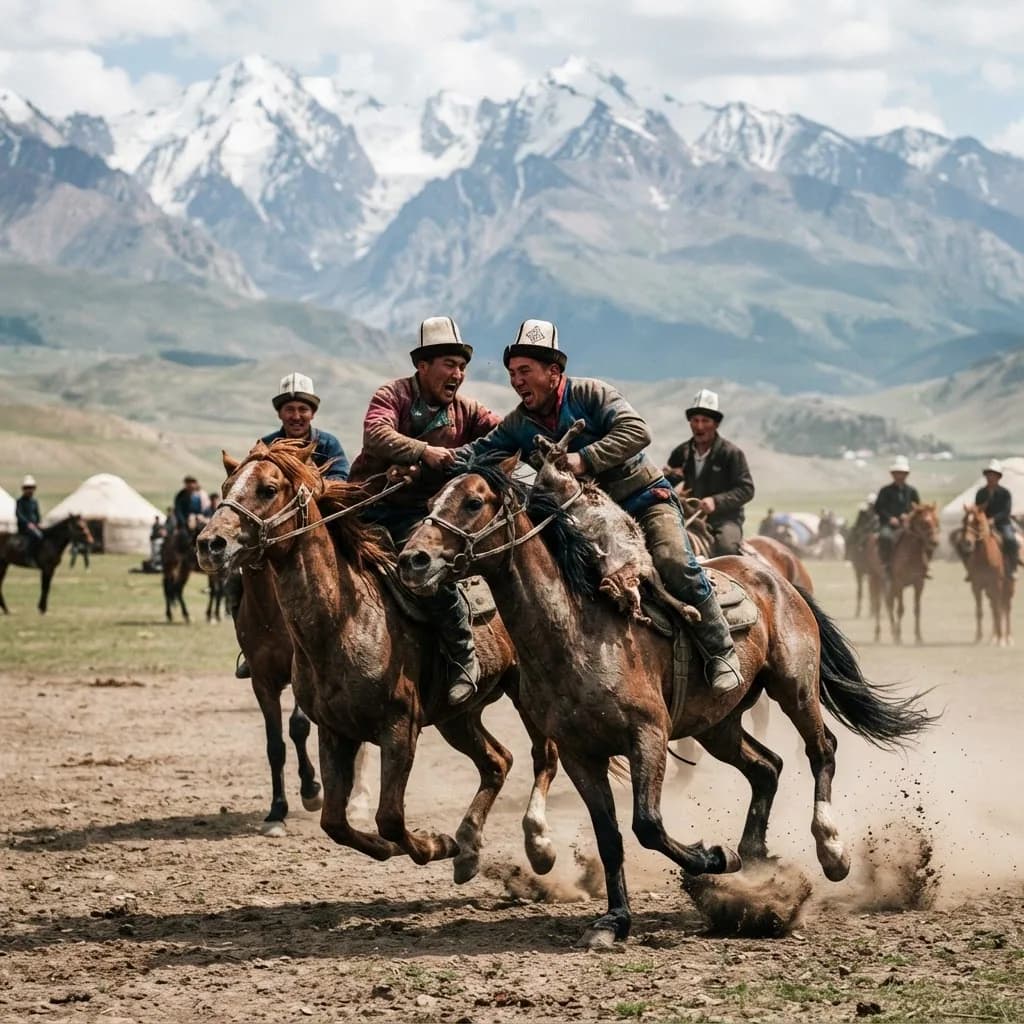
Stand close enough to feel the ground shake and sense the unyielding energy.
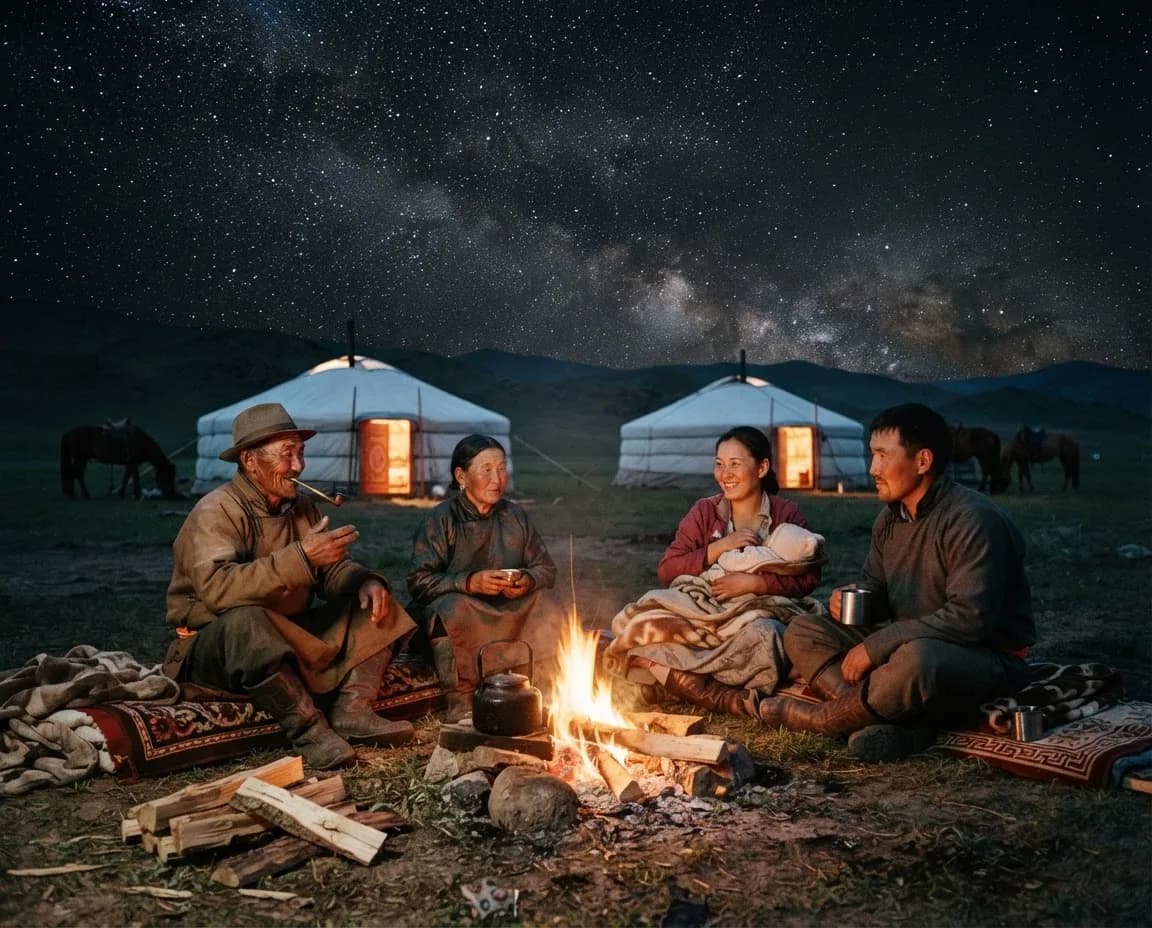
Rest with host families, sharing warm local tea and stories.
Inside the game
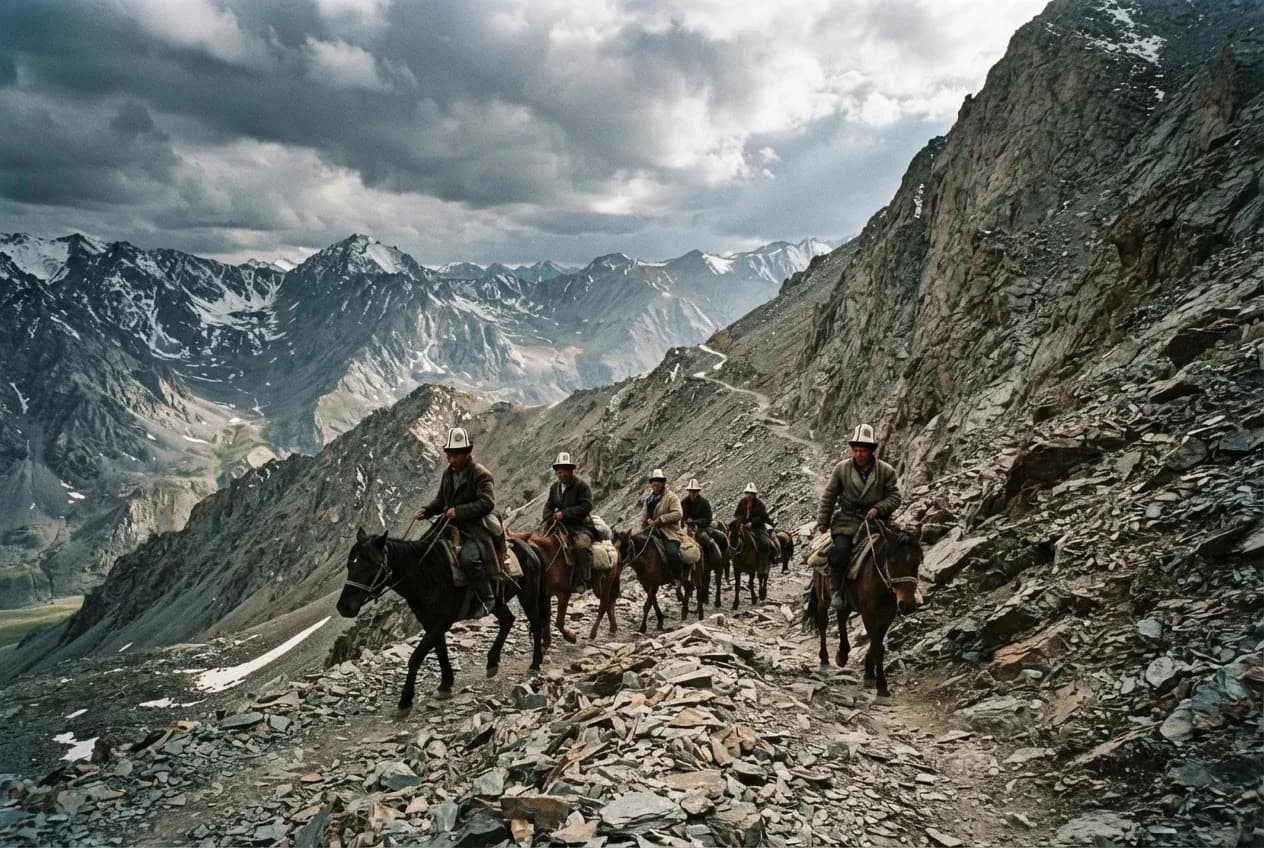
Riders fight for possession of the game object while staying balanced at high speeds, using sheer core strength.
Teams work together to create space, protect the carrier from opponents and push toward the scoring zone.
The rider must successfully carry and deposit the heavy game object into the opposing goal mound to score.
The riders
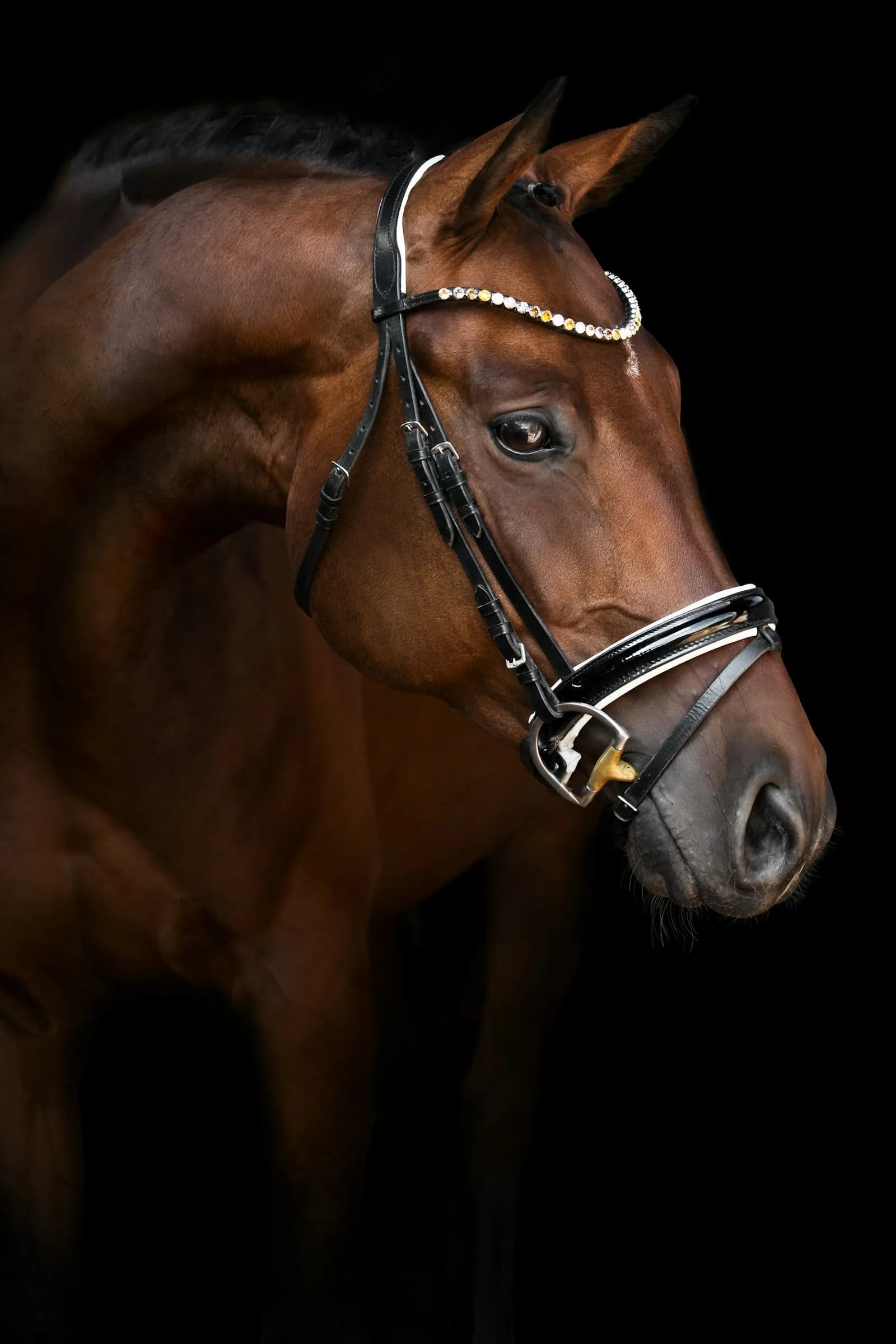
Kok-Boru is learned through riding, watching and playing alongside experienced horsemen.
For many riders, the game is connected to family, village life and a deep relationship with horses.
After the dust
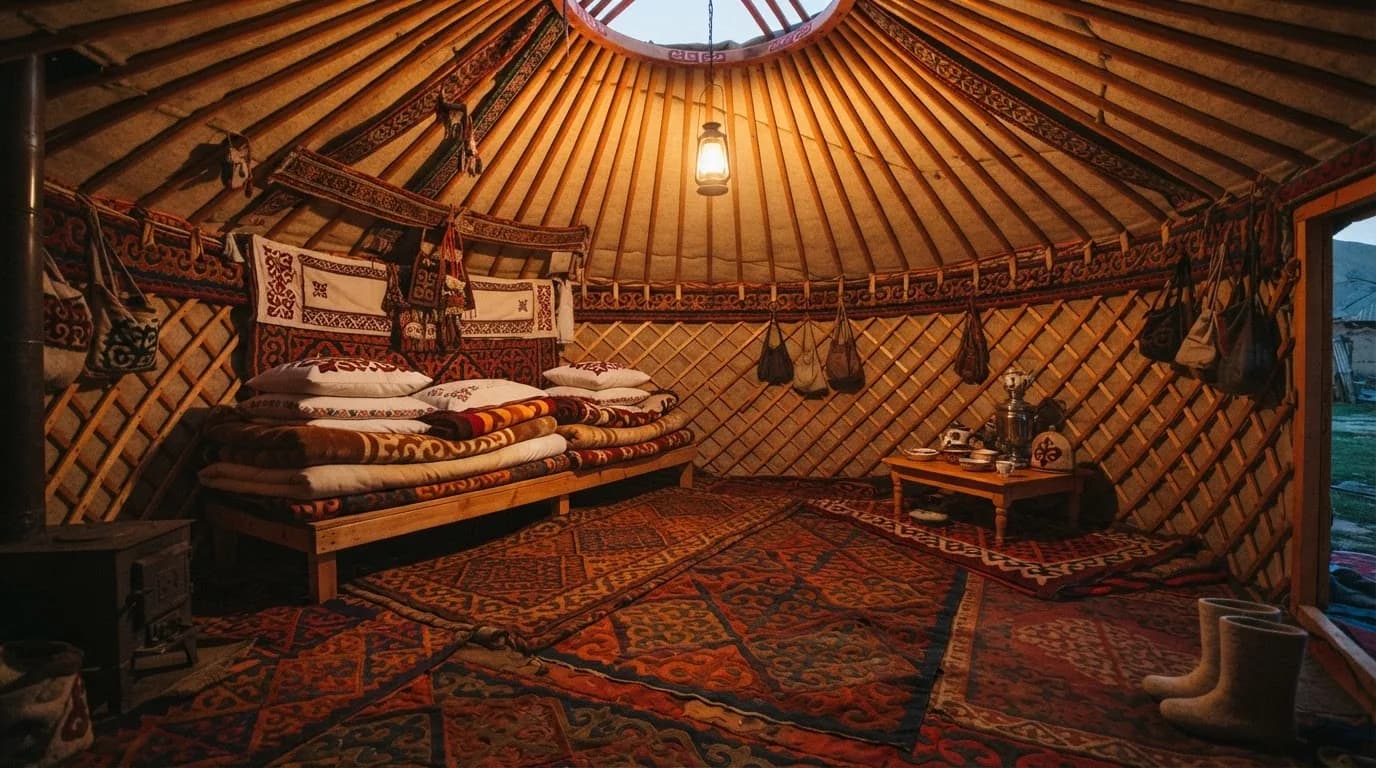
The game is only part of the day. Around it are meals, conversation, horses, family and the rhythm of camp life.
Simple local food, rich meat stews, fresh crusty bread, and shared tea after the intense match.
A natural mountain sanctuary to slow down, rest with riders, and watch night settle over the peaks.
Good to know
Duration
Half day / Full day
Location
Depends on camp / journey
Season
Main riding season (Jun–Sep)
Group size
Small intimate groups
What to wear
Comfortable outdoor clothing
Physical level
Low for spectators
Availability depends on local schedules, location and season.
Ask about Kok-Boru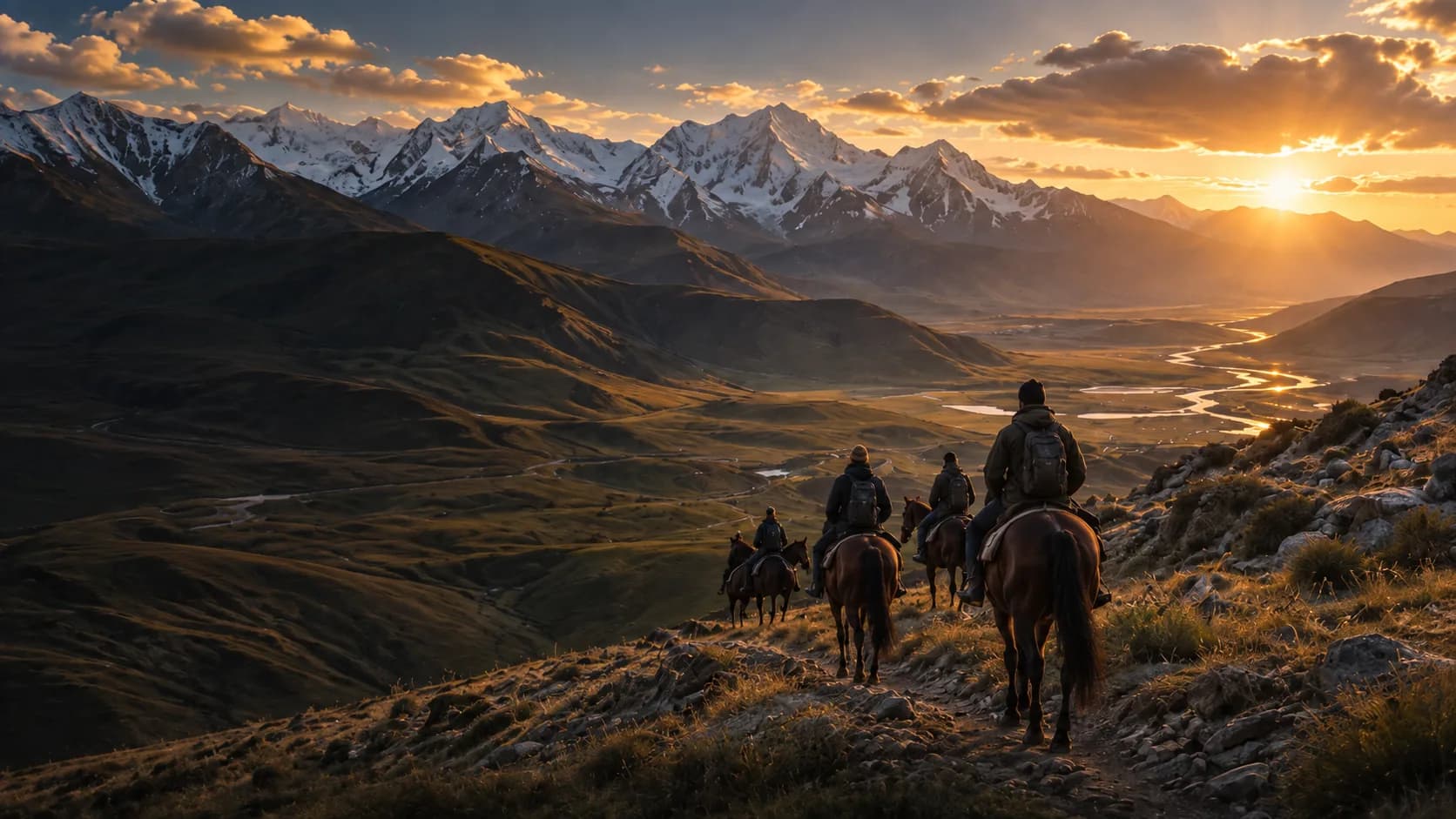
Come for the game.
Discover the journeys, horses and people behind Nomad Live.